In this blog, I’m going to talk about the difference between the Filipino and Korean diet.

Filipinos are already westernized. May it be their lifestyle or even the food that they eat. Fast food chains are already around the country. Burgers, french fries, pizza, and many more oily foods had become a daily diet for Filipinos . Though Philippines has been the second most lowest obesity rate in Asean, it is still a growing problem for the country.
WHAT FILIPINOS EAT
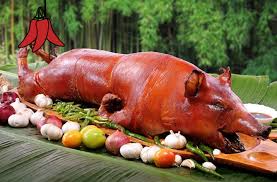
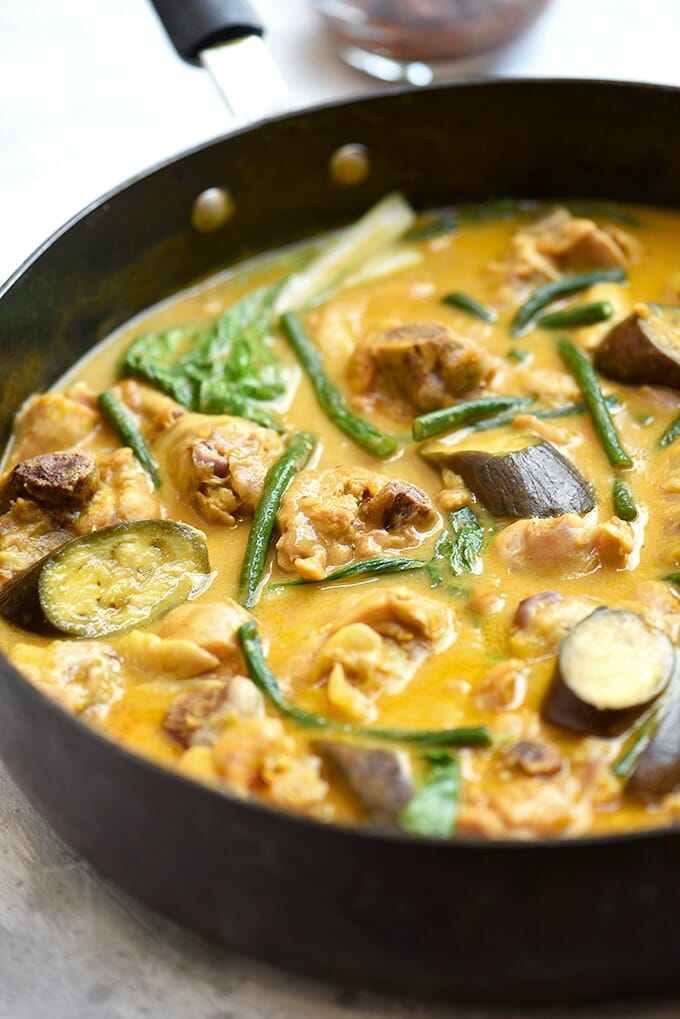
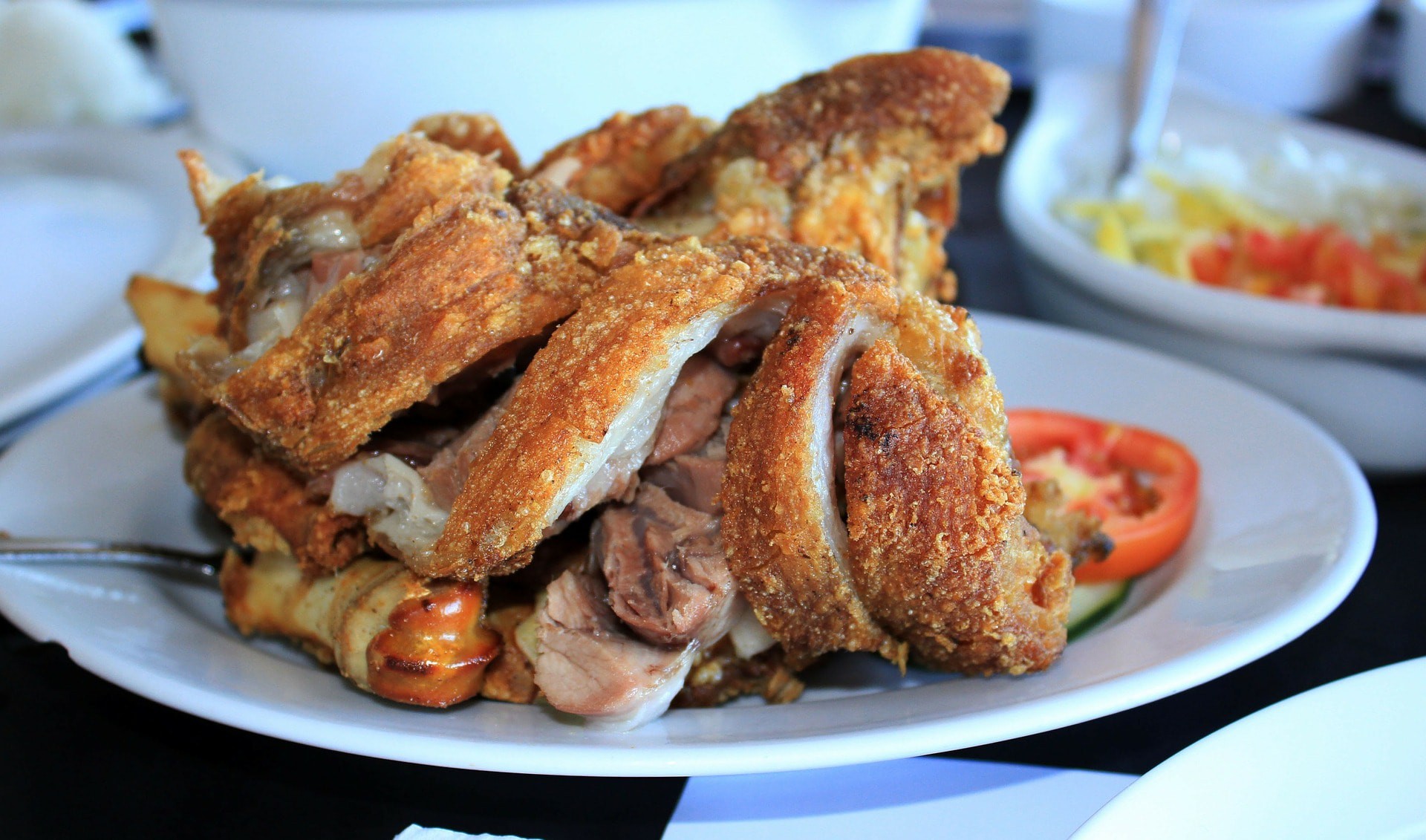
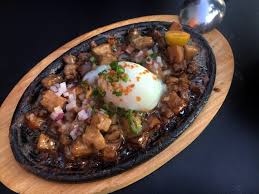
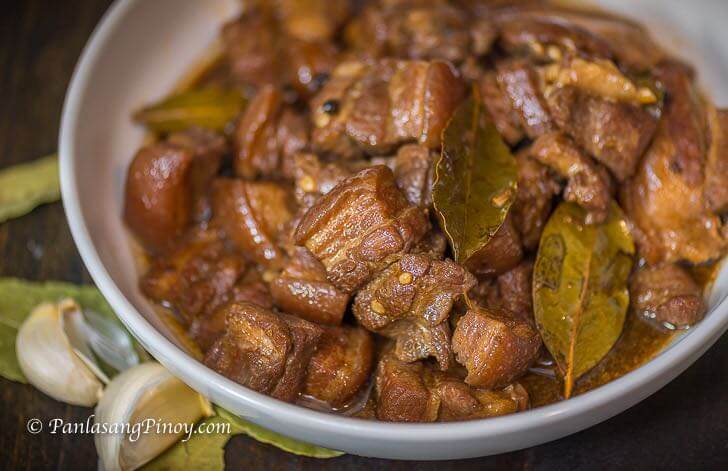
The typical Philippine diet revolves mainly around the local foods, especially vegetables, pork and seafood, and rice and noodles. Filipinos are also very familiar with Western foods, especially fast foods, and the diet of most today is a mixture of all these influences.
Most main dishes are stews made with chicken, pork, fish or seafood. Common spices and flavoring include vinegar, patis (a very salty, fermented fish sauce), bagoong (pungent shrimp paste), banana ketchup, lemon, coconut milk, chilies, bay leaves and garlic. Filipino foods are a mixture of sweet and spicy like adobo, laing, and lechon for example. Filipino foods are hearty and has more cholesterol compared to other cuisines.
WHAT KOREANS EAT
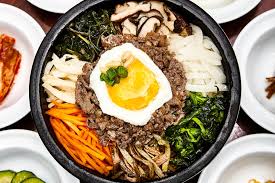
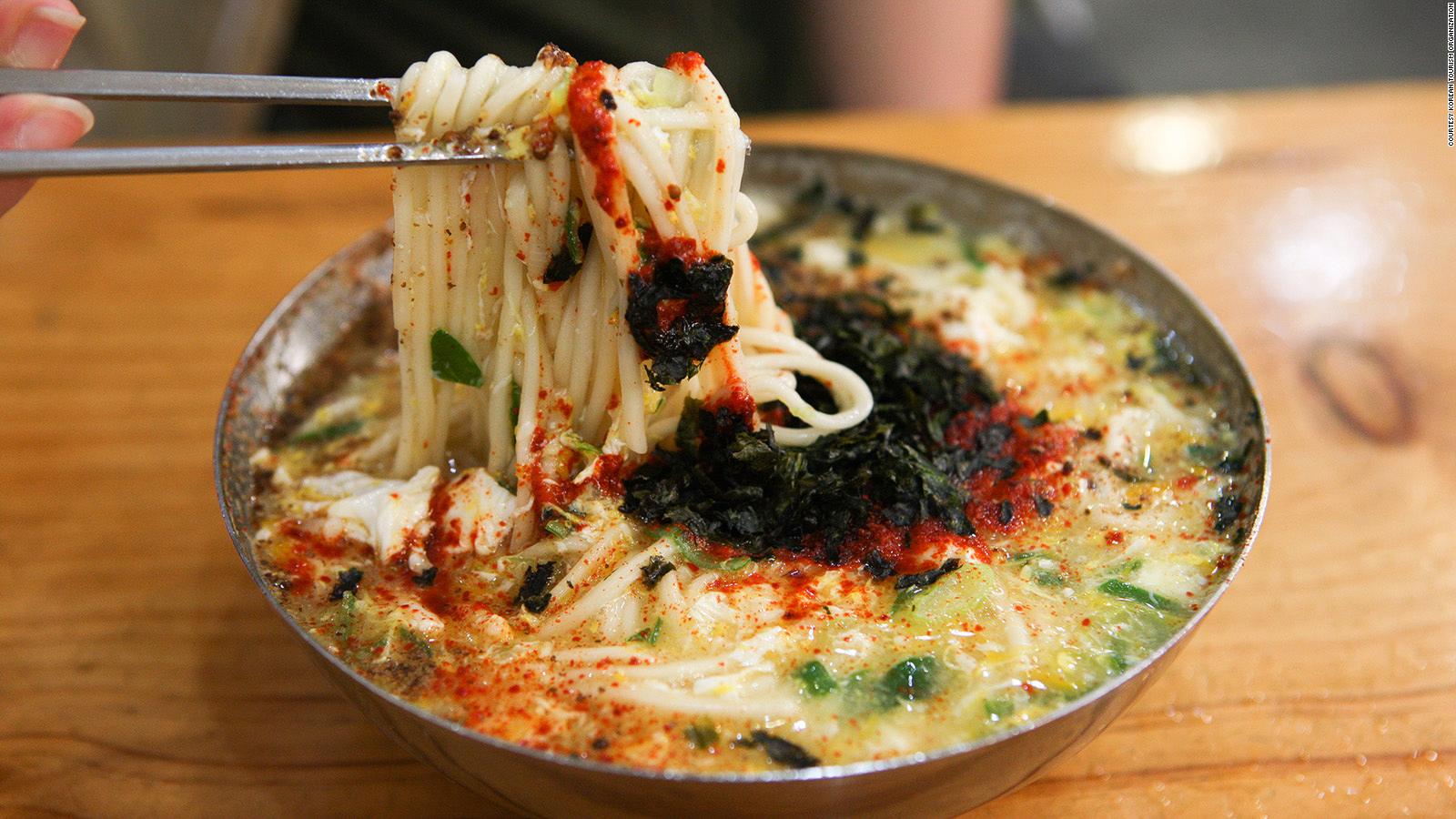
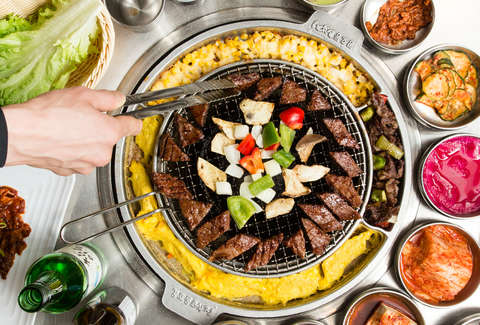
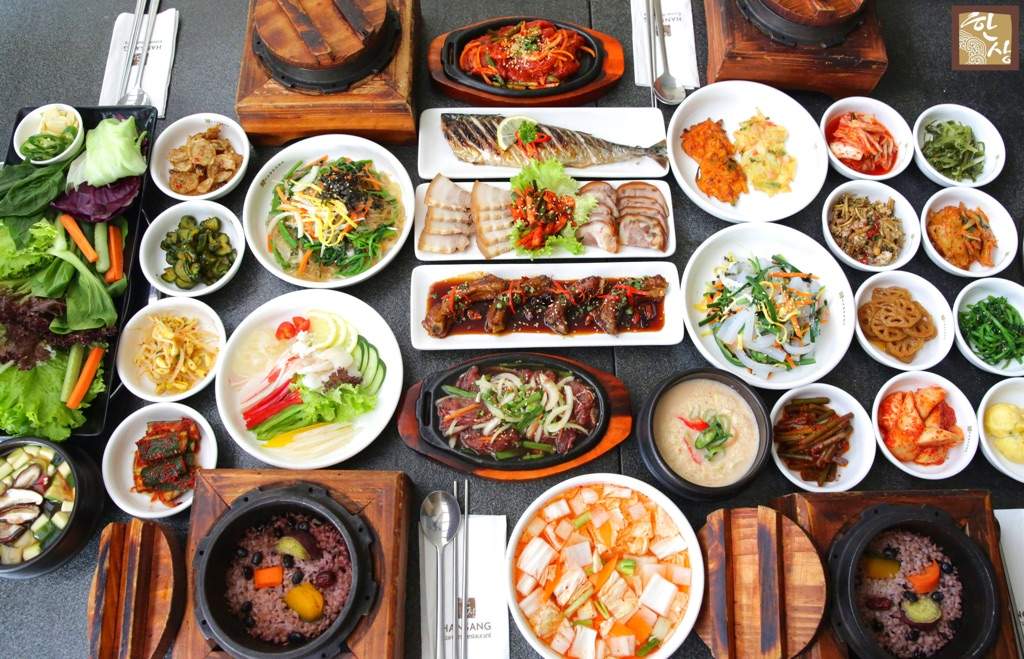
Korean food is some of the healthiest on earth, with an emphasis on vegetables, meats cooked simply and without much oil, and a near obsession with the fermented vegetable kimchi, which can be something of an acquired taste for non-Koreans. Rice, noodles, vegetables, meats and tofu (dubu in Korean) make up the key ingredients in Korean cuisine. Traditional Korean meals boast abundant side dishes, (banchan), that accompany steam-cooked short-grain rice, soup, and kimchi(fermented, spicy vegetable banchan, most commonly cabbage, radish or cucumber). Banchan accompany every meal. Sesame oil,doenjang (fermented soybean paste), soy sauce, salt, garlic, ginger and gochujang (red chili paste) usually season Korean food. Much of Korean cuisine consists of simple dishes known for its strong, pungent flavors and odors. Many Korean banchan rely on fermentation for flavor and preservation, resulting in a tangy, salty, and spicy taste.
SIMILARITIES AND DIFFERENCES
Based on my observations, rice is the common food for both Filipinos and Koreans. A meal without rice is an unsatisfying meal for them or wont even call or acknowledge it as a proper meal. Another thing is that they are both keen on salty taste or “malinamnam” like what Filipinos say.
Filipinos are not fond of having a lot of side dishes compared to Koreans but instead focuses more on different kinds of viands and sauces ranging from salty to sour to sweet to spicy or even a combination of two. Koreans on the other hand fill their tables with what they call banchan or side dishes composed of pickled or fermented vegetables which has a combination of both sour and spicy flavor. One of their famous side dish is kimchi or the fermented spicy cabbage. Filipinos like the combination of sweet and salty while Koreans like the combination or salty and sweet with a hint of sourness from fermented dish.
KOREANIZE YOUR DIET



You must be wondering why Koreans have such good skin and nice body. Maybe its because of the food that they eat. Korean food is usually spicy and mostly composed of vegetables. This type of diet will surely help you achieve the kind of look that you wanted.
Research prove that eating spicy food has a lot of benefits in our body. One of the most well-known benefits of spice is its ability to raise metabolism, and thus burn extra calories. Eating a spicy food can temporarily boost your metabolism by up to eight percent. In addition to a metabolism boost, spicy dishes have more of a chance to leave you satisfied while encouraging eating slowly.
Another food that is abundant in Korean diet is vegetables and fish. Koreans tend to eat raw food that those of the fully cooked ones. One of which is eating garlic. Garlic is rich in sulfur, a trace mineral that has been shown to enhance collagen synthesis. Sulfur also helps prevent the breakdown of collagen fibers, so it’s particularly beneficial towards preserving healthy skin and joints. Usually, Koreans include raw/roughly grilled garlic in their lettuce wrap or ssambap while eating samgyeopsal or grilled pork belly. Carrots, dark green vegetables, oysters, tomatoes, and oily fish like salmon or tuna is also rich in collagen which helps improve our skin condition.
We say that Filipinos are big eaters. We focuses more on hearty foods which is rich in cholesterol while Koreans focuses on maintaining healthy body through the food that they eat. Overall, it doesn’t hurt to try adding a little spice or making a little change in our everyday diet. After all, its a matter of how we control ourselves and exercise regularly that we can achieve a healthy body as a good result.
Thank you!
References:
http://www.newworldencyclopedia.org/entry/Korean_cuisine
https://medium.com/mauer-sports-nutrition/10-foods-that-increase-collagen-production-532255796ff4
http://factsanddetails.com/southeast-asia/Philippines/sub5_6e/entry-3163.html
https://www.sbs.com.au/food/article/2008/07/01/about-korean-food
http://www.manilastandard.net/lifestyle/wellness-environment/210081/how-healthy-is-the-typical-filipino-diet-.html
https://stylecaster.com/beauty/foods-for-clear-skin/
https://www.medicaldaily.com/weight-loss-foods-eat-spicy-help-you-achieve-your-weight-loss-goals-325200
 Foodcoholics